Posts by SmartAsset Team

Advisor Basics
What Are Fiduciary Funds?
Fiduciary funds are assets that one party manages on behalf of another under a legal obligation to act in the beneficiary’s best interest. These arrangements are common in estate planning, retirement accounts, employee benefit plans and situations involving minors or incapacitated individuals. Because fiduciary fund management involves strict duties and oversight, these arrangements can affect… read more…

Financial Planning
Is HELOC Interest Tax Deductible? IRS Rules and Limits
Tapping into your home’s equity can feel like a smart financial move, especially when interest rates on other types of debt are higher. However, when tax season rolls around, many homeowners are surprised to learn that HELOC interest isn’t always deductible. Knowing these rules can help you avoid incorrect assumptions and plan borrowing more carefully.… read more…

Inheritance
What Happens to Your 401(k) When You Die? Beneficiary Rules and Taxes
A 401(k) can be one of the largest assets in an estate, but its treatment after death is governed by specific rules. Beneficiary designations determine who receives the account, while federal distribution rules affect how quickly inherited funds must be withdrawn and how they are taxed. Knowing these rules ahead of time can help you… read more…

Tax Planning
Capital Gains Tax on Equities: Rules, Rates and Calculation
When you sell stocks, exchange-traded funds (ETFs) or other equity investments for more than you paid, the profit is generally subject to capital gains tax. The capital gains tax on equity depends on how long you held the investment, your taxable income and whether the asset was sold in a taxable or tax-advantaged account. Federal… read more…

Financial Planning
Financial Advisor for Annuities: Services and When to Hire One
Annuities are commonly used to provide retirement income and may offer guaranteed payments or tax-deferred growth. However, annuity contracts differ widely in structure, costs and payout terms. A financial advisor can explain how a specific annuity works, how it fits into your overall financial plan and how it relates to other retirement income sources. What… read more…

Tax Planning
Who Is Exempt From Federal Income Tax: Individuals and Groups
Federal income tax applies to most people who earn income in the U.S., but the tax code includes limited exceptions. Whether someone is exempt from federal income tax depends on factors such as income level, filing status, age, disability status, religious affiliation and the type of income received. In some situations, individuals are not required… read more…

Banking Basics
What Happens to a Joint Bank Account After Death?
Joint bank accounts are useful financial tools that can simplify the management of shared funds between two parties. When one account holder dies, what happens next depends largely on the account’s title. Often, a joint account with rights of survivorship allows the surviving owner to assume full financial control. In other situations, the deceased owner’s… read more…

Inheritance
How to Claim a Deceased Bank Account Without Probate
When someone dies, their bank accounts do not always have to go through probate before the money becomes accessible. Many accounts pass directly to a named beneficiary through tools like payable-on-death (POD) designations or joint ownership with rights of survivorship. In other cases, small estate laws may allow heirs to claim funds using an affidavit… read more…

Tax Filing
Can You Still Get Your Tax Refund During an IRS Audit?
If the IRS notifies you of an audit, and you expected a tax return, you probably have a lot of questions. Will you ever get your tax refund? Does the audit automatically stop it? The answer depends on the IRS’s review and whether the items under audit affect the refund total. Some situations follow normal… read more…

Investing for Beginners
Emerging Market Funds: What They Are and Examples
Emerging market funds are investment funds that allocate capital to stocks, bonds or other securities issued by companies and governments in developing economies. These markets are typically characterized by faster economic growth, expanding consumer bases and evolving financial systems, alongside higher political, currency and regulatory uncertainty. Investors often use emerging market funds to gain diversified… read more…

Brokerage
Bid Ask Spread: How It Works in Investing With Examples
The bid-ask spread describes the gap between the price buyers are offering for a security and the price that sellers are willing to accept. This difference develops from supply and demand, trading activity and the presence of market makers who provide liquidity by standing ready to buy and sell. When these participants purchase at the… read more…

Tax Filing
Can You Claim an Adult Child as a Dependent on Your Taxes?
Whether you can claim an adult child as a dependent on your taxes depends on their age, income and living situation, as well as the level of financial support you provide to them. The IRS allows parents to claim certain adult children if they meet the criteria for either a “qualifying child” or “qualifying relative.”… read more…

Trusts
Can a Trust Buy Real Estate? Pros, Cons and Steps
A trust can buy real estate just like an individual or business can. In many cases, people title property in the name of a trust to efficiently manage assets, reduce probate exposure or maintain privacy. When a trust purchases a home, the trustee handles the transaction on behalf of the trust’s beneficiaries. The process is… read more…

Trusts
What Happens to a Trust After the Grantor Dies?
A trust is used to control how assets transfer after death. When the grantor dies, the trust becomes an active legal entity. The trustee follows the trust terms, manages assets, distributes property to beneficiaries and handles required tax filings. How this process works depends on the trust type and the instructions in the trust document.… read more…

Trusts
Can You Put a Mortgaged House Into a Trust? Pros, Cons and Steps
Putting a home into a trust can be part of an estate plan and may help transfer the property to heirs with fewer delays. A mortgage does not always need to be paid off first. In many cases, a mortgaged home can be placed into a trust without affecting the loan, as long as legal… read more…

Retirement Taxes
Do Seniors Over 80 Have to Pay Income Tax?
Reaching your 80s doesn’t automatically mean saying goodbye to income taxes. Many retirees live on fixed incomes and may owe little or nothing to the IRS. However, others with pensions, investment income or retirement withdrawals may still face tax obligations. The key to understanding your tax situation in your later years lies in knowing which… read more…

Roth & Traditional IRAs
Do Roth IRA Gains Get Taxed?
How Roth IRA gains are taxed depends on when and why you withdraw the money. You can typically withdraw growth inside a Roth IRA completely tax-free if you meet certain IRS rules. However, early withdrawals or non-qualified distributions may trigger income tax and even penalties. It can be extremely beneficial to understand the distinction between… read more…

Tax Planning
Are Unemployment Benefits Taxable Income?
The IRS generally treats unemployment compensation as taxable income. If you don’t plan for this, or don’t withhold money from your weekly payments, you may owe money when you file your tax return. State tax rules vary, too, which can further impact your final tax bill. Knowing how to report unemployment correctly and how withholding… read more…

Tax Filing
When Do You Owe Taxes Instead of Getting a Refund?
Whether you owe taxes or receive a refund comes down to how much tax was withheld from your paychecks, how your income changed over the year, and whether you still qualify for the credits and deductions you may have relied on in the past. If too little tax is withheld or your tax situation shifts,… read more…

Tax Planning
When Are Capital Gains Taxes Due on Real Estate Sales?
Selling real estate can result in a significant profit, but it may also trigger capital gains taxes depending on whether the property qualifies for IRS exclusions, how much was earned and how long you owned the property. In most cases, capital gains taxes are owed for the tax year in which the property is sold,… read more…

Roth & Traditional IRAs
Can You Open a Roth IRA for Your Adult Child?
A Roth IRA offers tax-free growth and tax-free withdrawals in retirement, which can benefit young adults with long time horizons. You can help open a Roth IRA for an adult child if they have earned income and the account is in their name. Starting early allows more time for growth. A financial advisor can help… read more…

Estate Tax
Inheritance Tax Planning: Rules and Exemptions
An inheritance can add to your finances, but taxes may reduce the amount that reaches you. Some states tax beneficiaries directly, while separate estate taxes may apply before assets are distributed. Inheritance tax planning accounts for these rules in advance by using exemptions and transfer strategies to limit what is lost to taxes. A financial… read more…

Financial Planning
Using a High-Yield Savings Account for an Emergency Fund
A high-yield savings account for emergency fund purposes combines safety, liquidity and higher returns than a traditional savings account. These accounts let your emergency cash grow without locking it away or exposing it to market volatility. Whether you’re starting from scratch or fine-tuning your reserves, knowing how to use a high-yield savings account can strengthen… read more…
Roth & Traditional IRAs
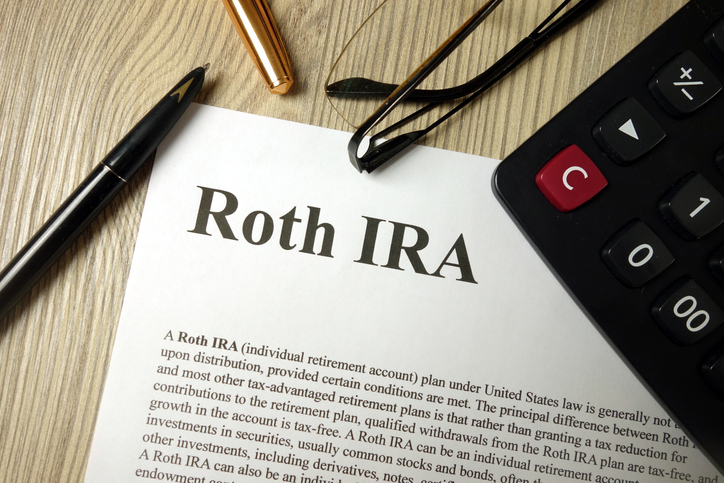
Is There an Income Cap for a Roth IRA?
Roth IRAs allow your savings to grow tax free and allow tax free withdrawals in retirement. Your income determines whether you can contribute and how much you can add. The IRS sets annual income limits based on your tax filing status. These limits decide whether you can make a full contribution, a reduced contribution, or… read more…

Financial Planning
Wealth Management vs. Financial Planning: Services and Costs
Managing your money involves setting goals, organizing your finances and deciding how to use your resources over time. Wealth management and financial planning both support these decisions, but they serve different roles and are often used at different stages of wealth. They also differ in scope, cost structure and the level of ongoing involvement they… read more…