 Written by
  Edited by
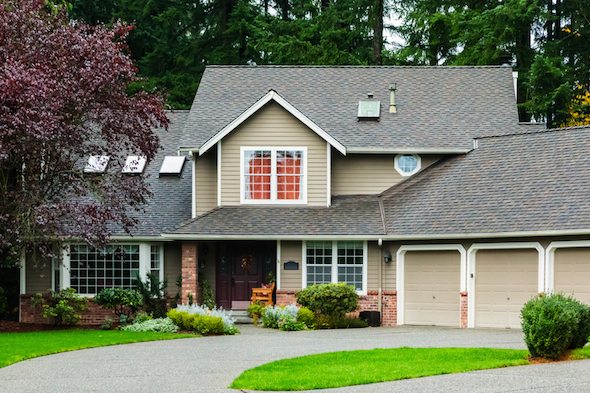
Buying a second home, whether as a vacation getaway or a rental property, is a lot like purchasing a primary residence. For example, you’ll need to make sure your new home has the right amount of insurance coverage in case disaster strikes while protecting the normal activity of living in and providing maintenance to the property. Depending on how you use your second home, there could be some unique things to consider.
Whenever trying to protect your investments it’s important to consider working with a financial advisor to make sure you’ve thought through all financial aspects of your personal situation.
What Should a Second Home Policy Cover?
The amount of coverage you’ll need for your second home, often referred to as vacation home insurance, will depend on a few different things, including the way that the home will be used. If you’re going to be renting it out, for example, you might need a more comprehensive insurance policy that’ll cover the full cost of replacing the home if it’s destroyed by a fire or a hailstorm.
You could also look into getting rent loss insurance (which covers the loss of rental income following a catastrophe or serious incident), since a homeowners insurance policy might not provide enough coverage for your rental property.
Aside from protecting the structure of your second home, it’s a good idea to ensure that you have enough personal liability coverage. An umbrella insurance policy can give you additional coverage that could come in handy if someone wants to sue you after getting injured on your property.
Finally, you may need to supplement your insurance policy with coverage for things like hurricanes, floods or earthquakes. The typical homeowners’ policy doesn’t account for these kinds of events. If a major storm or earthquake hits, you could find yourself in a messy financial situation if your insurance company won’t cover the damages.
Getting a Secondary Insurance Policy

Buying insurance for a second home isn’t the same as buying insurance for a primary residence. Generally, second homes tend to be seen as riskier properties to insure, especially if they’re going to be vacant most of the time or they’re in areas that are prone to natural disasters.
As you shop around for insurance for your second home, it’s important to pay attention to the cost of insurance premiums. The cost of insuring your second home could be higher than what you’re paying to insure your primary residence.
If you’re hoping to keep your premiums as low as possible, installing a security system in the home may shave a few bucks off the cost. You could also try asking for a discount if you’re bundling the policy with another kind of insurance coverage.
Check Your Primary Homeowners Policy
Before you start shopping for second home insurance, it’s important to review your existing homeowners policy to understand what coverage you already have, and what you don’t. Most standard homeowners policies only protect your primary residence, meaning a second home won’t automatically receive the same coverage. However, your current policy may offer limited protections, such as liability coverage that extends beyond your main property.
Reading through the fine print can help you identify any gaps that need to be filled for your second home. Some insurers offer discounts for bundling multiple properties, while others require separate stand-alone policies depending on the location and how the second home will be used. Whether the property is for personal vacations, occasional family stays or short-term rentals, your insurer will consider its risk level when determining the type and cost of coverage.
How Much Does Vacation Home Insurance Cost?
The amount you’ll pay for insurance on your second home, or vacation home, is going to depend on a number of factors from where the property is to what you’re wanting to get coverage for. Here are the most important things to consider that could sway the amount you’ll pay for insurance:
- Location: Buying a property in the swamp lands of Florida is much different than buying a piece of land with a house on it on the beach of California. The risk associated with the location of the property can swing the costs quite dramatically.
- Type of Property: What the property you’re insuring has will change the cost. Buying a single-family home will be different than insuring a townhome. Whether you have a pool on the property will also change the cost. A sturdy cabin might cost less than a beach house. It really depends on the structure and what you’re insuring.
- Weather Risk: If your home is in a spot that is at risk for flooding or wild fires then it could dramatically increase your insurance costs. You may even need an individual policy for that specific coverage that will be more expensive than all of your other coverage combined.
- Age of Property: Insuring a damaged structure or property that is old could be more difficult and costly than insuring a new property or one that was well maintained.
- Use of the Property: If you’re using the property as a rental home for part of the year (there are limitations if you’re getting a second home loan) then this could require additional coverage that will drive your costs up.
Overall, you can probably expect to spend a little bit more than you would spend on your main property, assuming they are similar in size, location and condition.
Bottom Line
Second home insurance is essential for protecting a property that often carries different risks than your primary residence, whether it’s a lakeside cottage, mountain cabin or vacation rental. Reviewing your existing homeowners policy is the best first step, helping you understand what coverage extends to your second home and where additional protection is needed.
Insurance Tips
- It’s important to read the fine print before signing off on an insurance policy. Finding out that there’s a gap in your coverage, later on, could be a nightmare. If you want a piece of professional advice, many financial advisors offer risk management services. Finding a financial advisor doesn’t have to be hard. SmartAsset’s free tool matches you with vetted financial advisors who serve your area, and you can have a free introductory call with your advisor matches to decide which one you feel is right for you. If you’re ready to find an advisor who can help you achieve your financial goals, get started now.
- When buying a second home you should make sure that you are buying something you can afford, depending on how much insurance you need. Use our free mortgage calculator to see what the purchase might actually cost you.
Photo credit: ©iStock.com/Justin Horrocks, ©iStock.com/flashpoint, ©iStock.com/zoranm