 Edited by
  Edited by

Cashing out a pension after leaving a job is an option in some cases, but the process can vary depending on plan rules, vesting status and tax implications. Some pensions allow a lump-sum cash-out, offering immediate access to funds – but at the cost of potential taxes and penalties. Others require the money to remain in the plan until you reach retirement age, ensuring future income but limiting access. If a lump sum is an option, rolling it into an IRA can keep your savings tax-deferred and under your control. Weighing the long-term impact of each choice is key to making the most of your retirement funds.
A financial advisor can help you make critical decisions surrounding your retirement assets. Match with a fiduciary advisor today.
What Is a Defined Benefit Pension Plan?
A defined benefit pension is a retirement plan that promises a determined payout to its beneficiaries for the rest of their lives. This payout generally depends on factors such as the individual’s salary scale, years of service and age.
The lion’s share of investment risk in such plans rests on the shoulders of the employer, not the employee. The employer is also typically responsible for funding the plan, unlike a 401(k), which is funded primarily by employee contributions.
Imagine a long-serving employee named John who has worked for Company XYZ for 35 years and has a defined benefit pension. When he retires, John receives a fixed monthly payment irrespective of the market fluctuations.
On the contrary, suppose he was part of a defined contribution plan, like a 401(k). In this case, his retirement benefits would be subject to the performance of the investments made with the contributions he or his employer made to the plan. In essence, a defined contribution plan exposes the employee to the risks and rewards of their investment decisions.
Vested vs. Non-Vested

Whether you can cash out your pension when you leave a job depends in part on whether you’re pension is vested or not.
Vested benefits refer to the portion of a pension plan that an employee is entitled to receive even if they leave their job before retirement age. In essence, it’s the money an employee has earned that is theirs to keep, regardless of their employment status.
The vesting process typically unfolds over a predetermined period, often five years, during which the employee gradually becomes entitled to a larger share of their pension benefits. After completing this vesting period, they are considered fully vested and can claim their entire accrued pension benefit when they reach the plan’s retirement age.
Conversely, if an employee departs before completing the vesting period, they may only be entitled to a portion or none of the employer’s contributions, depending on the plan’s terms.
What Happens to Your Pension When You Leave a Job?
Exiting a job ushers in two primary possibilities for your pension: Receiving a lump-sum payout or keeping the money in the current plan. Keep in mind that you may not have an option depending on the terms of your plan.
For instance, if you haven’t reached retirement age when you leave the company, you may be required to keep the money in the plan.
You Receive a Lump Sum
Opting for a lump sum pension payout means you receive the entire value of your pension in a single transaction. This immediate access to your funds provides an avenue for personal investment and can aid financial flexibility. Yet, bear in mind the potential tax implications and the risk of mismanaging funds. Without solid financial planning, a lump sum can vanish into thin air, jeopardizing your retirement stability.
Your Money Stays in the Plan
On the flip side, you might choose to leave your pension earnings within the original plan, where it enjoys a potential upward trajectory through investment returns. This option comes with professional management and continued growth as well as certain risks, like limited access to your money and the potential risk of plan mismanagement.
A pension can provide a steady foundation for retirement income. Use SmartAsset’s retirement calculator below to see how a lump-sum payout or monthly payments from a pension fit alongside your savings and other sources.
Rolling a Lump Sum Payout into an IRA
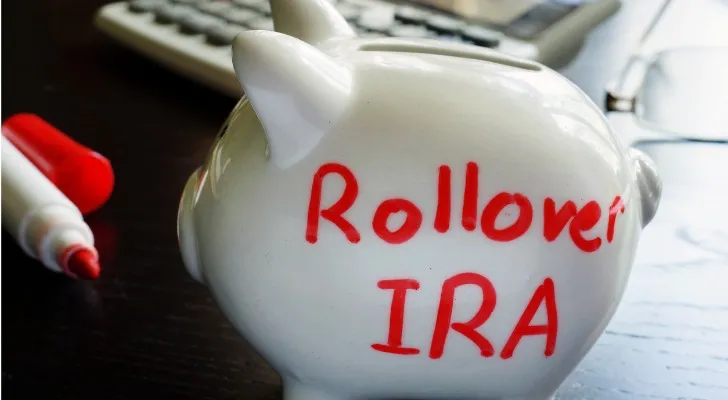
If you receive a lump sum pension payment when you leave a job, rolling the money into an IRA can help you avoid a costly tax bill associated with the distribution. By opting for a direct rollover, your pension plan administrator will transfer the money to your IRA and you won’t have to touch the money.
However, if you receive a check from your pension plan, you’ll have 60 days to deposit it into an IRA to maintain its tax-deferred status. Waiting any longer and the payout will count as a taxable event, triggering income taxes.
When rolling a lump sum pension payout into an IRA, follow these steps:
- Open an IRA
- Request a direct rollover from your pension plan to the IRA
- Select suitable investments in your IRA
- Designate a beneficiary on your account
- Monitor your IRA investments
- Regularly revisit your investment strategy based on market performance
This option enables continued tax-deferred growth and a broader range of investment opportunities. Executed right, it can help dodge immediate taxation and offer more investment control.
Bottom Line
Cashing out your pension when leaving a job is a significant decision with far-reaching consequences. Whether you’re eligible to cash out your pension will depend on the terms of your plan and how long you’ve been enrolled in it. If you are eligible, you may have the option to take a lump sum distribution and roll it over into an IRA to defer taxes on the money. Otherwise, you may need to keep your benefits in the plan until retirement.
Retirement Planning Tips
- If you don’t have a defined benefit pension, you’ll need to save for retirement. SmartAsset’s retirement calculator can help you estimate how much you’ll need to put away and whether you’re on track to hit your savings target.
- A financial advisor can help you plan for Social Security and figure out how much income you’ll need to generate in retirement. Finding a financial advisor doesn’t have to be hard. SmartAsset’s free tool matches you with vetted financial advisors who serve your area, and you can have a free introductory call with your advisor matches to decide which one you feel is right for you. If you’re ready to find an advisor who can help you achieve your financial goals, get started now.
Photo credit: ©iStock.com/Zinkevych, ©iStock.com/Luke Chan, ©iStock.com/designer491